Wall Street Tumbles as Surging Bond Yields and Fiscal Fears Rattle Investors
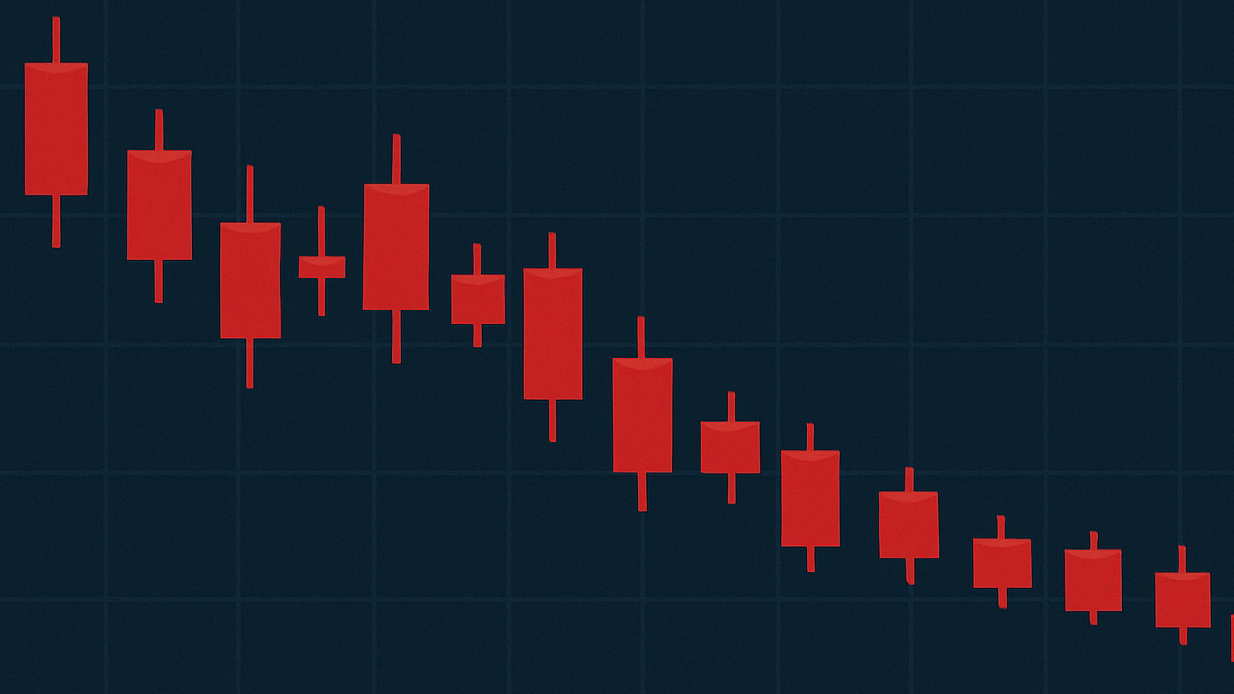
U.S. stocks plummeted on Wednesday amid a wave of selling pressure sparked by soaring Treasury yields and intensifying concerns over America’s growing national debt. The Dow Jones Industrial Average sank more than 800 points (–2%), while the S&P 500 dropped 1.6% and the tech-heavy Nasdaq lost 1.4%, snapping a multi-day winning streak.
The catalyst for the sharp reversal came after a poorly received 20-year U.S. Treasury bond auction revealed tepid demand from investors, particularly from foreign central banks. As a result, bond yields spiked—sending the yield on the 10-year note to 4.6% and the 30-year note to over 5%, its highest level in nearly two decades. Higher yields increase borrowing costs and tend to pressure stock valuations, especially in growth-oriented sectors.
Investors are also increasingly nervous about the potential impact of a sweeping tax-and-spending bill being pushed by the Trump administration. Dubbed “one big beautiful bill” by the president, the proposal would extend 2017 tax cuts, raise the debt ceiling by $4 trillion, and significantly boost spending on defense and immigration. However, nonpartisan analysts warn that the legislation could drastically widen the fiscal deficit, adding fuel to concerns that the U.S. government is on an unsustainable debt path.
Credit rating agency Moody’s recently downgraded the U.S. credit outlook, citing long-term fiscal challenges. Wednesday’s auction, which showed weak demand for long-term government debt, may be the clearest signal yet that markets are beginning to price in the consequences of runaway spending.
With investors now bracing for sustained higher interest rates, the sell-off signals a potential shift in sentiment that could continue to weigh on risk assets in the weeks ahead.
Political Uncertainty and Fiscal Policy Fuel Market Volatility
At the heart of the market’s anxiety is the sweeping tax-and-spending bill currently under negotiation in Congress. The proposed legislation — supported by President Trump and Republican leadership — seeks to extend the 2017 tax cuts, increase defense and immigration-related spending, and raise the federal debt ceiling by an unprecedented $4 trillion. While the administration promotes the bill as a necessary measure to stimulate growth and secure national priorities, critics warn it could destabilize the U.S. fiscal position and spark long-term economic consequences.
Independent groups like the Congressional Budget Office (CBO) and the Penn Wharton Budget Model have sounded alarms, warning that the legislation could exacerbate the deficit without meaningfully addressing structural imbalances. The proposed cuts to social safety net programs — including Medicaid and clean energy tax credits — have also raised concerns that the economic burden may disproportionately impact lower-income Americans, especially in an environment of elevated inflation.
Markets are reacting not just to the contents of the bill, but to the growing perception that the U.S. government lacks a coherent plan to manage its ballooning debt. Wednesday’s weak bond auction is a sign that investors are demanding higher compensation to hold U.S. debt — a trend that, if it continues, could push interest rates higher across the economy and limit future fiscal flexibility.
As negotiations continue in Washington, financial markets are likely to remain sensitive to headlines, especially as investors weigh whether the Federal Reserve will be forced to maintain elevated interest rates longer than expected in order to counteract the inflationary risks posed by such expansive fiscal policies
Retail and Tech Stocks Hit Hard as Yields and Tariffs Bite
The sell-off on Wall Street has had an uneven impact across sectors, with retail and technology stocks bearing the brunt of investor pessimism. Target’s disappointing earnings report on Wednesday served as a stark reminder of the pressure faced by consumer-facing businesses. The retailer reported a 2.8% drop in quarterly sales, citing weakened consumer confidence, five consecutive months of declining sentiment, and growing uncertainty about the economic impact of new tariffs. Target stock plunged nearly 6%, dragging the broader retail sector with it.
Walmart, which recently indicated it would raise prices to counterbalance tariff-related costs, also saw its stock retreat as investors reassessed the potential hit to consumer demand. The concern is that rising costs will be passed on to shoppers just as economic headwinds — from inflation to rising interest rates — are eroding household purchasing power. Discount retailers like TJX Companies, however, bucked the trend, reporting stronger-than-expected results as more consumers turn to value-based options amid tighter budgets.
Tech stocks also stumbled amid the rise in Treasury yields. High-growth companies, particularly those in the technology sector, are especially sensitive to rising interest rates because their valuations depend heavily on future earnings. The Nasdaq fell 1.4% as investors rotated out of speculative assets and into safer plays. Renewed tensions between the U.S. and China over semiconductor restrictions further undermined tech sentiment, with concerns that a breakdown in trade cooperation could disrupt supply chains and dampen global growth in the sector.
Overall, the market’s reaction reflects a broader reassessment of risk. As borrowing costs rise and fiscal policy injects more uncertainty into the macroeconomic outlook, investors appear to be repositioning their portfolios away from sectors that depend heavily on consumer confidence, global trade, or cheap capital.