Los Angeles has achieved a record-breaking feat. The cleanup after its devastating January 2025 wildfires is the fastest in modern California history. Officials celebrate this unprecedented speed. They praise the rapid recovery efforts. Yet, a critical question now lingers. Is this swift return to normalcy truly safe?
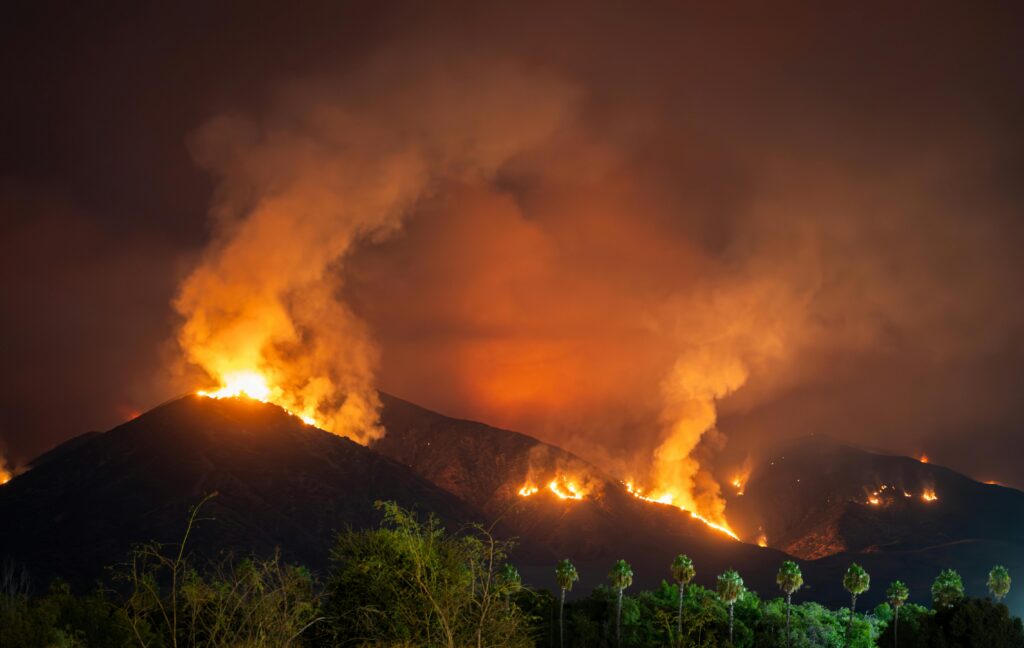
In early January, massive blazes erupted. The Palisades Fire and Eaton Fire were the largest. They consumed over 57,000 acres across Los Angeles County. More than 18,000 homes and structures were destroyed. The fires claimed at least 30 lives.
Over 200,000 people were forced to evacuate. Initial economic damage estimates soared, ranging from $28 billion to over $160 billion in total property and capital losses
This rapid recovery is due to an unprecedented multi-agency effort. The U.S. Army Corps of Engineers and the EPA led the charge. They worked with FEMA, CalOES, and LA County Public Works. Cleanup involved two phases. First, the EPA removed household hazardous waste. This included paints, batteries, and asbestos.
Next, the Army Corps removed vast amounts of ash and structural debris. This totaled over 4.25 million tons. President Trump’s executive order in late January fast-tracked the debris removal. Homeowners also signed “Right of Entry” forms, allowing government crews free access. City permits for rebuilding were waived to speed up reconstruction.
Despite this celebrated pace, a deep concern remains. Scientists and health experts are sounding alarms. They worry the cleanup is happening too fast. The primary concern is lingering toxic residue in the soil. Federal policy states removing six inches of topsoil is sufficient. However, the EPA and FEMA are not conducting further soil tests.
This directly conflicts with local findings. LA County health officials approved a soil-testing plan for the Eaton Fire area. This came after finding over a quarter of properties scraped by federal crews still had toxins above California standards. Purdue engineering professor Andrew Whelton is a leading critic. He warns hazardous materials like lead and arsenic persist. “How do we know that soil is safe?” Whelton asks. “The only way to do that is by testing.”
The burden of proof now falls to the community. LA Mayor Karen Bass is seeking private groups to fund additional soil testing. This highlights the gap in federal efforts. Air quality monitoring showed elevated levels of lead, arsenic, and chromium in initial surveys. Asbestos was also detected at one fire station in April 2025. These findings raise further questions about public health. The push for speed clashes with the demand for thoroughness. This leaves many residents caught in a difficult decision: rebuild quickly, or wait for clearer answers on safety.
The Road Ahead: Balancing Speed and Safety
The rapid recovery in Los Angeles is undeniably impressive. It offers hope for communities seeking a quick return to normalcy. But this speed casts a long shadow. Critical questions about public health remain. Thousands of survivors still face immense challenges. They navigate complex insurance claims. They battle emotional trauma.
Many ponder rebuilding in areas where toxic concerns linger. This cleanup becomes a vital case study for the future.
It highlights our changing climate.
It underscores the increasing frequency of extreme events.
It shows the critical need for long-term resilience.
The delicate balance is clear: urgency must meet thoroughness. A truly safe and sustainable future demands both.