
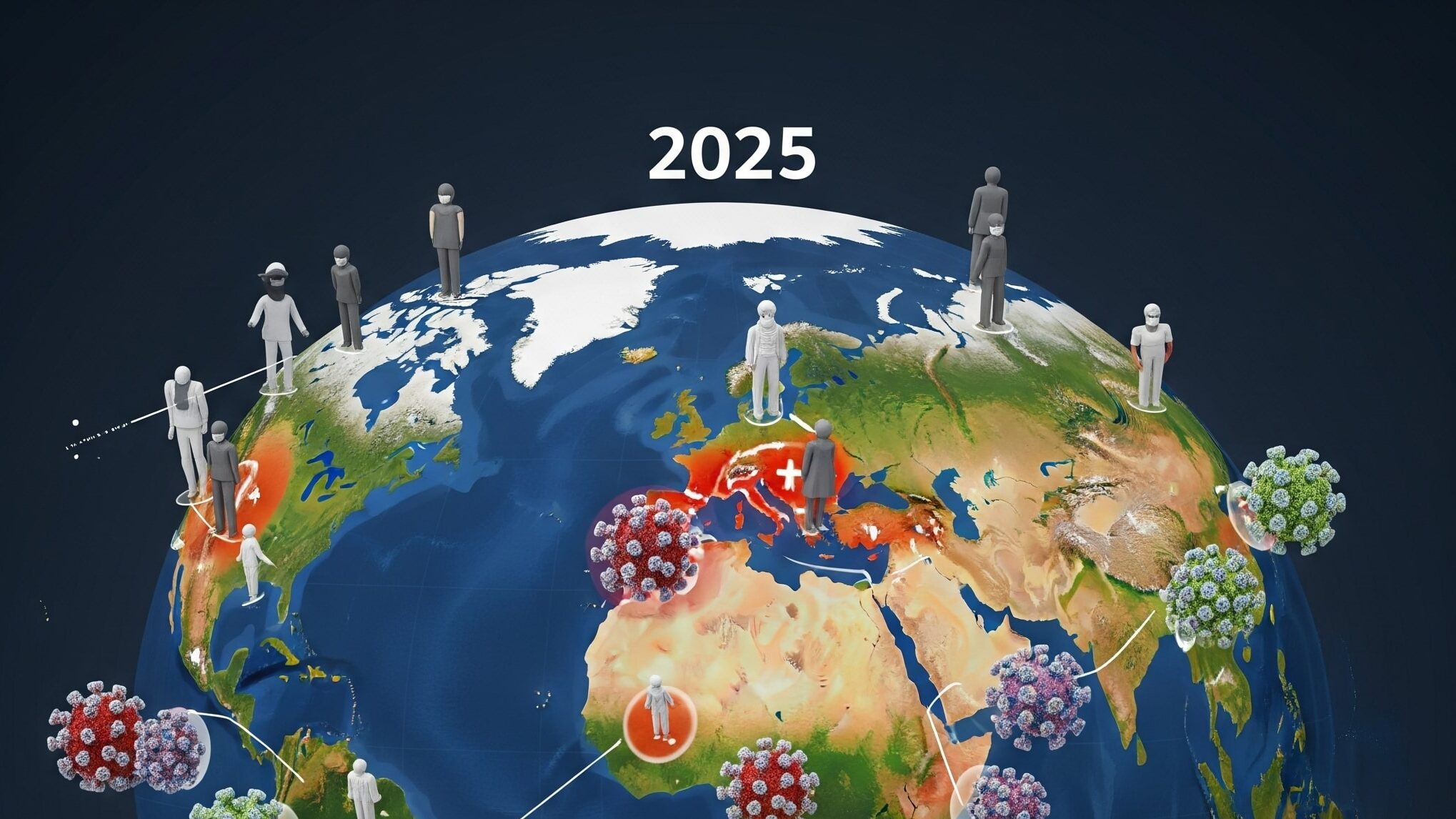
COVID-19 in 2025: Not Over, But Evolving
As of May 2025, it’s clear that COVID-19 is no longer the acute global emergency it once was, but it remains a significant and evolving public health concern. The virus, SARS-CoV-2, continues to circulate, mutate, and impact lives worldwide. This isn’t a return to the early days of the pandemic, but rather a new phase requiring ongoing awareness and adapted strategies.
A Look at the Current Landscape
Recent data from the World Health Organization (WHO) reveals an increase in global SARS-CoV-2 activity since mid-February 2025. Test positivity rates have reached 11%, a level not seen since July 2024, with particular upticks noted in the Eastern Mediterranean, South-East Asia, and Western Pacific regions. This indicates that the virus is actively spreading and causing infections, even if the widespread lockdowns and overwhelmed hospitals of previous years are less common.
The Constant Evolution: New Variants Emerge
A key reason for the ongoing presence of COVID-19 is its relentless ability to mutate. New variants are continuously emerging and vying for dominance. Currently, the NB.1.8.1 strain is gaining ground, accounting for over 10% of global sequences as of mid-May. While its symptoms appear similar to previous variants, experts suggest it possesses a “growth advantage,” making it more transmissible. The WHO continues to monitor other variants, including JN.1 (still a Variant of Interest) and various Variants Under Monitoring (like LP.8.1, XEC, KP.3.1.1, and KP.3). This constant evolution underscores the need for ongoing surveillance and adaptive public health measures.
Shifting to an Endemic Reality
Many health experts now view COVID-19 as transitioning into an “endemic” disease, meaning it will persist within the population, much like seasonal influenza. The focus has shifted from eradication to managing the disease’s impact, preventing severe illness, and protecting vulnerable groups. This transition is reflected in updated vaccination strategies and global health agreements.
Global Preparedness and Vaccination
The recent conclusion of the Seventy-eighth World Health Assembly (WHA78) marked a pivotal moment with the adoption of the historic WHO Pandemic Agreement. This agreement signifies a collective global commitment to enhance coordination, cooperation, and equity in responding to future pandemics, learning valuable lessons from the COVID-19 experience.
Vaccination remains a cornerstone of managing COVID-19. The FDA’s Vaccines and Related Biological Products Advisory Committee (VRBPAC) recently recommended the 2025-2026 formula for COVID-19 vaccines, emphasizing monovalent JN.1-lineage-based vaccines, preferentially targeting the LP.8.1 strain. These regular updates are crucial to ensure vaccines remain effective against circulating variants, offering the best protection against severe illness, hospitalization, and death, especially for older adults and those with underlying health conditions.
Beyond Acute Illness: The Challenge of Long COVID
Even as acute COVID-19 infections become more manageable for many, the issue of “Long COVID” continues to be a significant concern. This condition, where symptoms persist for weeks or months after the initial infection, can manifest in a wide range of ways, from chronic fatigue and brain fog to cardiovascular and gastrointestinal issues. Research continues to unravel its complexities and develop effective treatments.
What This Means for You
While the daily impact of COVID-19 may feel less disruptive than in previous years, it’s important to remain informed and take sensible precautions.
- Stay Up-to-Date on Vaccinations: Consult your healthcare provider about recommended booster shots, especially if you are in a high-risk group.
- Practice Good Hygiene: Continue with regular handwashing and consider mask-wearing in crowded or high-risk settings.
- Be Aware of Symptoms: If you experience symptoms, consider testing and consult a healthcare professional, particularly if you are vulnerable.
- Understand Long COVID: Be aware of the potential for prolonged symptoms and seek medical attention if you experience them.
In 2025, COVID-19 is a reminder of the dynamic nature of global health. By staying informed, adapting our approaches, and supporting global health initiatives, we can continue to navigate this evolving challenge effectively.