America’s Auto Giants: The Birth and Rise of an Industry
How They Started:
The early 1900s marked a transformative era in transportation, with inventors and entrepreneurs racing to build the first affordable automobiles. Henry Ford revolutionized this race by introducing the moving assembly line in 1913. This breakthrough innovation drastically reduced production time and costs, making the Model T the first car accessible to the average American family. Ford’s vision was simple but powerful: a reliable, affordable car for the masses, which reshaped American society by enabling mobility, suburban growth, and new economic opportunities.
General Motors, under the leadership of Alfred P. Sloan, adopted a different but equally successful strategy. Rather than focusing on a single model, GM built a diversified portfolio of brands—Chevrolet, Buick, Cadillac, and GMC—targeting multiple market segments from economy cars to luxury vehicles. This brand hierarchy allowed GM to serve a broad customer base, increasing its market share and resilience.
Chrysler entered the scene later but quickly became known for engineering innovation and style. Under Walter Chrysler’s guidance, the company emphasized performance and design, introducing advanced technologies like the first practical four-wheel hydraulic brakes and streamlining car shapes that set new aesthetic standards.
How They Evolved:
By mid-20th century, American automakers had established themselves as industrial powerhouses. They expanded production capabilities and refined their product lines, offering durable, powerful vehicles that became synonymous with American strength and reliability. The iconic muscle cars, pickup trucks, and family sedans from Detroit dominated roads and culture alike.
Moreover, the post-WWII economic boom and rising middle class fueled unprecedented demand. Automakers invested heavily in marketing, developing dealership networks, and financing options, making car ownership easier and more attractive. Their focus on innovation included advancements in safety, comfort, and style, which kept customers loyal.
Why They Were Bought for Decades:
For much of the 20th century, American cars were more than just vehicles—they were cultural symbols. They represented freedom, status, and American ingenuity. The vast dealer networks ensured accessibility and service, while brand recognition built trust over generations. From the rugged dependability of Ford trucks to the luxury of Cadillac, consumers felt these brands offered value, quality, and prestige.
Until recent decades, these companies were viewed as reliable and innovative, consistently meeting consumer needs and adapting to trends. The loyalty they built meant buyers often returned to familiar brands, sustaining their market dominance.
How American Auto Giants Differentiated Themselves from European, Japanese, and Korean Competitors
While American automakers built their empire on mass production and broad market appeal, European, Japanese, and Korean manufacturers took different paths, each carving unique strengths that shaped global competition.
American Strengths:
The US giants excelled in producing large, powerful vehicles, especially trucks and SUVs, which catered to American consumers’ preference for space, comfort, and rugged utility. Their mastery of the assembly line allowed them to manufacture at scale and competitive cost. They also emphasized a wide product range, from affordable family cars to luxury vehicles, maintaining strong brand loyalty.
European Competitors:
European automakers like Volkswagen, BMW, Mercedes-Benz, and Audi focused on engineering precision, driving performance, and luxury. Their cars were often smaller, more fuel-efficient, and packed with advanced technology and refined design. Europeans prioritized driving dynamics and build quality, appealing to consumers who valued sophistication and performance over size.
Japanese Innovators:
Japanese companies—Toyota, Honda, Nissan, and Subaru—earned their reputation through reliability, fuel efficiency, and affordability. Their emphasis on lean manufacturing and continuous improvement (kaizen) led to cost-effective yet high-quality vehicles. They also pioneered hybrid technology with the Toyota Prius, setting new standards for eco-friendly cars.
Korean Disruptors:
Korean automakers like Hyundai and Kia entered the market later but quickly gained traction by offering stylish, well-equipped cars at aggressive prices. With improved quality and design, they challenged traditional brands and captured significant market share, especially among budget-conscious consumers.
Why American Cars Were Different:
The key differentiator for American automakers was their focus on size and power, catering to unique domestic demands—large family cars, pickup trucks, and muscle cars. However, this focus sometimes led to less emphasis on fuel efficiency and innovation, which European and Asian competitors exploited.
The Missing Giant: China Wasn’t Even in the Game — Until Now
For decades, the global automotive battlefield was clearly drawn. Europe sent its luxury and precision. Japan delivered reliability and efficiency. Korea brought affordability and sleek design. All of them sold millions of cars in the United States, adapting their vehicles to American tastes and navigating import tariffs without blinking.
And China?
Absent.
While the rest of the world fought for a share of the U.S. auto market, China wasn’t even on the radar. No major Chinese car brand ever seriously challenged the status quo. The assumption was simple: Chinese cars couldn’t match the quality, performance, or brand reputation of Western and Asian rivals.
But then something changed.
In barely over a decade, China didn’t just catch up—it took off.
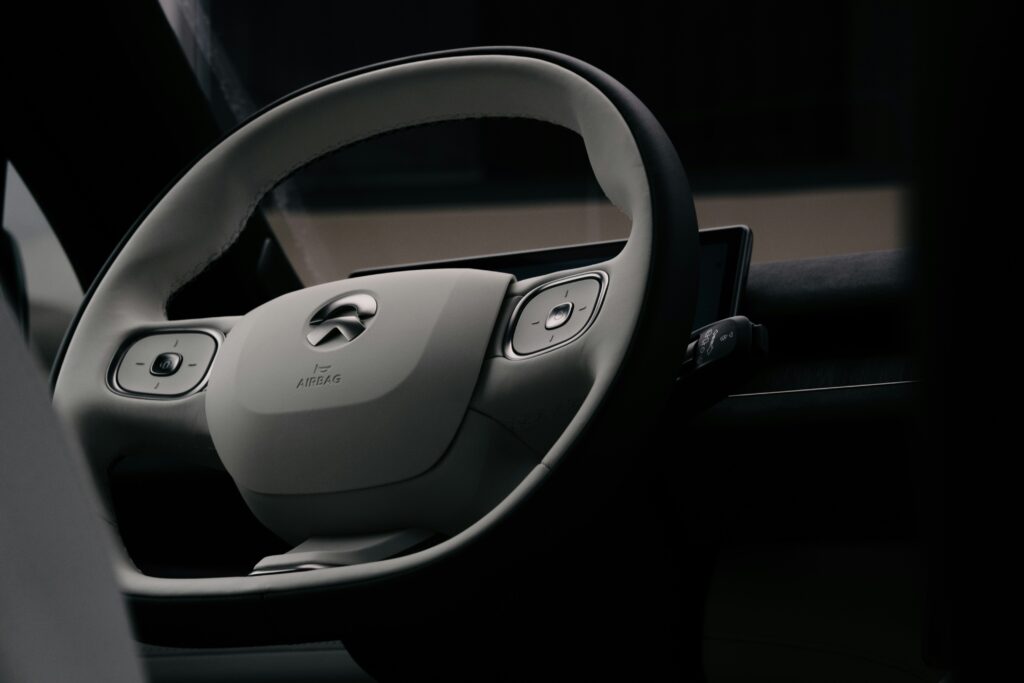
Brands like BYD, NIO, and XPeng emerged from the shadows and began building vehicles that weren’t just cheap, but smart, fast, efficient, and in many cases, more advanced than anything Detroit, Tokyo, or Stuttgart had to offer. China leapfrogged the traditional development curve by betting big on electric vehicles, battery tech, and smart mobility—and it worked.
Now, the West is nervous.
The U.S. government has begun raising barriers—regulatory, political, and economic—against Chinese EVs. Tariffs, investigations, and bans are just the beginning. Why? Because if these brands were allowed to compete openly, it’s very possible Tesla wouldn’t survive the next decade, and legacy automakers would be completely outclassed on price, tech, and production speed.
This isn’t just about cars. It’s about who leads the future of mobility, and whether America is ready to compete—or just to contain.
Chinese EVs: Innovation, Affordability, and Cutting-Edge Tech
Chinese automakers aren’t just building electric cars—they’re redefining what a car can be. Take BYD’s “jumping” car — a stunning showcase of advanced suspension technology that literally allows the vehicle to hop, demonstrating unprecedented control and engineering prowess.
Price-wise, these cars are unbeatable. BYD and NIO offer models at nearly half the cost of comparable German or American vehicles, without compromising on luxury or tech.
Speaking of tech, NIO is pushing boundaries with superior LiDAR systems that outperform traditional camera-based autonomous driving setups. This gives their vehicles a sharper, more reliable “vision,” critical for safe and effective self-driving.
Beyond the vehicle itself, China’s EV companies are vertically integrating like no others. NIO and BYD are producing their own semiconductor chips, drastically cutting costs compared to chips from giants like Nvidia — a huge strategic advantage as chips remain a bottleneck for global automakers.
Models like the Onvol60, often dubbed a better alternative to Tesla’s Model Y, prove that Chinese brands can compete head-to-head on quality and innovation.
Another game-changer is the rise of Battery-as-a-Service (BaaS) models, pioneered by companies like NIO. This approach slashes upfront costs by leasing batteries separately and enables quick battery swapping — a process that also serves as regular maintenance, catching potential issues early and extending vehicle lifespan.
In essence, these companies are not just selling cars. They’re selling an integrated ecosystem of innovation, affordability, and user convenience, threatening to overhaul the entire global automotive market.
What Comes Next: Will Chinese Automakers Invade the U.S. Market?
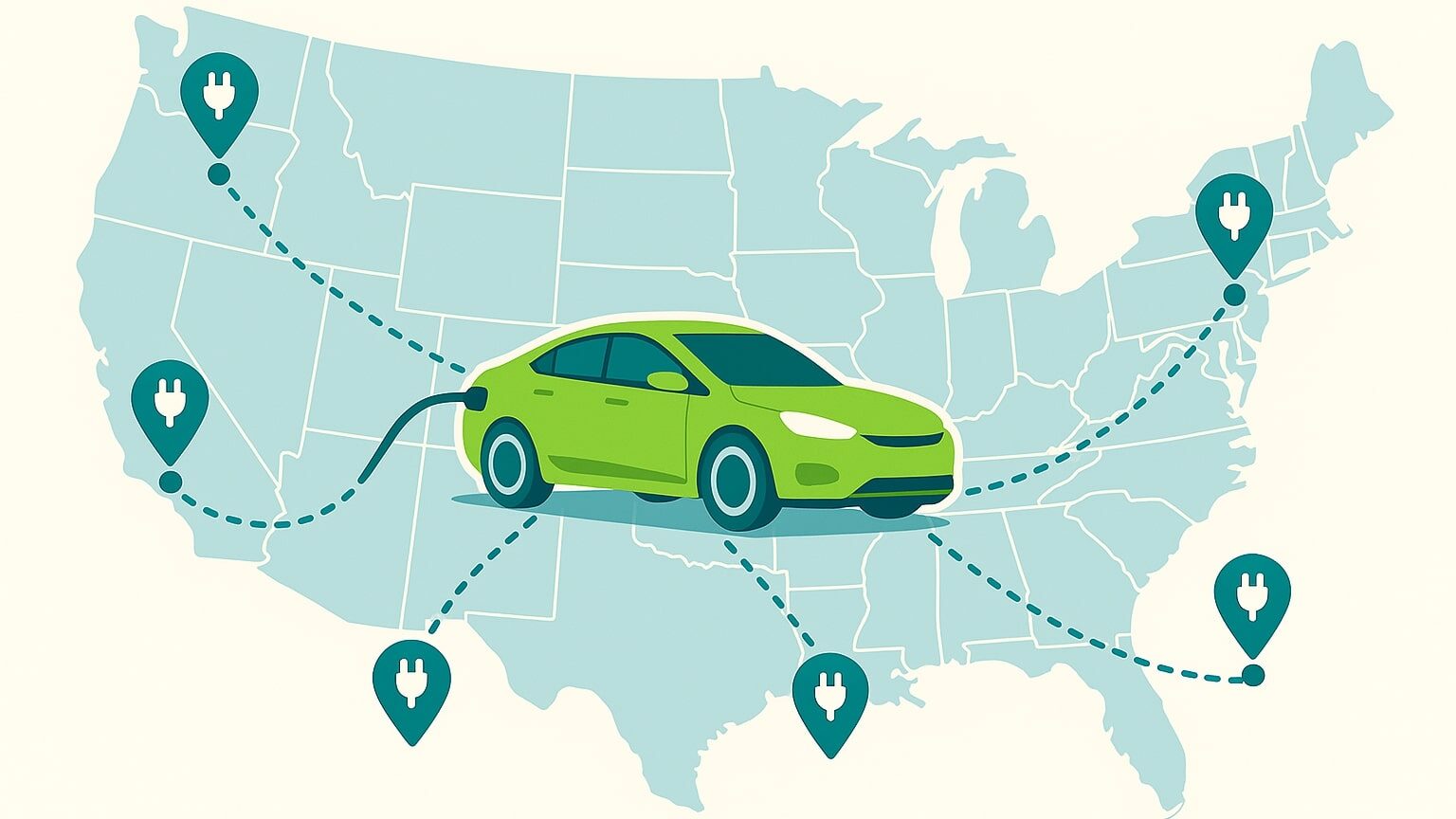
The world is no longer wondering if Chinese automakers will enter the U.S. market — the real question is when.
The signals are already here.
BYD, China’s EV powerhouse and now the largest EV maker in the world by volume, has hinted at expanding into North America. While no official launch date has been set for passenger cars, BYD is already present in the U.S. — producing electric buses in California and supplying batteries across industries. It’s only a matter of time.
NIO, XPeng, and other rising stars have begun testing the waters in Europe, a far more regulated and competitive market than most. If they can succeed there — and early signs say they can — then the U.S. is the next logical step.
Will they take over?
If allowed to enter without heavy barriers, Chinese EV makers could very well dominate large segments of the American market. Here’s why:
- Price-to-tech ratio: Chinese EVs often offer more features and better tech at nearly half the price of American or European models.
- Production scale: China’s vertically integrated supply chains give them unmatched cost advantages.
- Battery leadership: China controls over 70% of global EV battery production — the most critical and expensive component of any electric vehicle.
Even Tesla, which once stood alone as the EV innovator, is now losing ground in China to BYD. If that same battle plays out on American soil, Tesla — and others — might not be able to compete.
Will the U.S. allow it?
Washington seems to think the threat is real. The Biden administration has already moved to increase tariffs on Chinese EVs to 100%, citing national security concerns and unfair competition. Meanwhile, lawmakers are debating stricter import rules, data privacy regulations, and subsidies aimed at shielding American automakers from what they see as an unstoppable wave.
But here’s the dilemma: Can you stop the future?
Chinese cars may be blocked temporarily, but their technology, scale, and global demand are growing. If the U.S. closes its doors, these companies will still dominate other regions — and that influence may ultimately circle back.
The global auto industry is at a historic crossroads. For over a century, it was shaped by American ambition, European luxury, and Japanese precision. But now, a new force is rewriting the rules — quietly, methodically, and with unmatched speed: China.
This isn’t just a competition of brands. It’s a battle over the future of mobility, of data, of energy. The old guard is being challenged not by cheap imitations, but by a new standard — one that blends scale, innovation, and strategic vision.
While Washington raises barriers and legacy automakers struggle to adapt, Chinese companies are racing ahead. If they succeed in entering the American market, it won’t just be a shakeup — it could be a full-scale industry reset.
The West still has the tools to compete. But it needs to stop underestimating China, start investing in the future, and understand: this time, the competition isn’t coming — it’s already here.